
Maintaining testicular health is crucial for men of all ages. One of the most serious concerns is testicular cancer, which, though rare, can have significant consequences if not detected early. Regular self-examinations and awareness of potential warning signs can help men take control of their health and seek timely medical care.
Recognizing Testicular Cancer
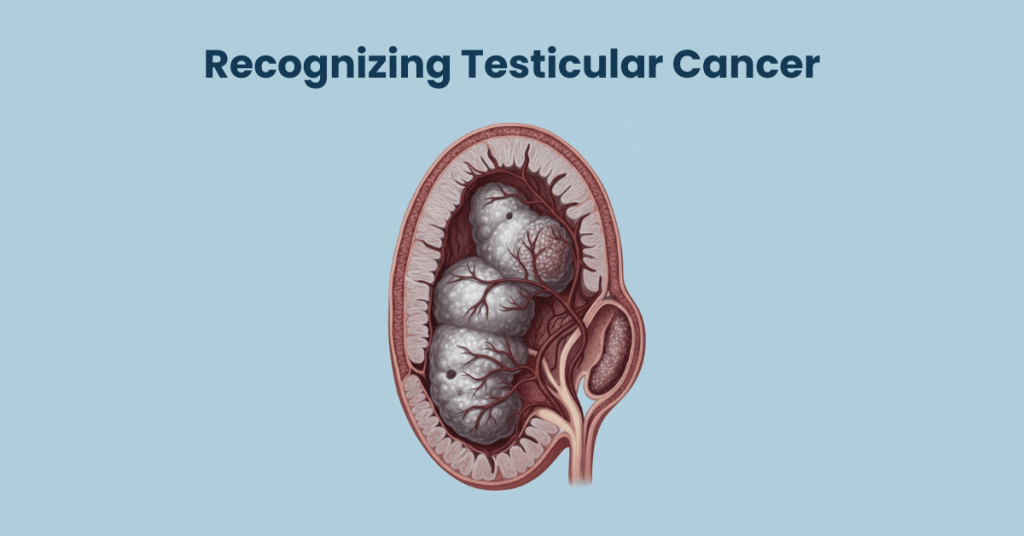
Understanding the signs of testicular cancer is the first step in protecting your health. Testicular cancer symptoms often include lumps, swelling, or discomfort in the testicles. Early detection is key, as the disease is highly treatable when caught in its initial stages. Men should be familiar with how their testicles normally feel to identify any unusual changes promptly.
Common Causes of Testicular Cancer
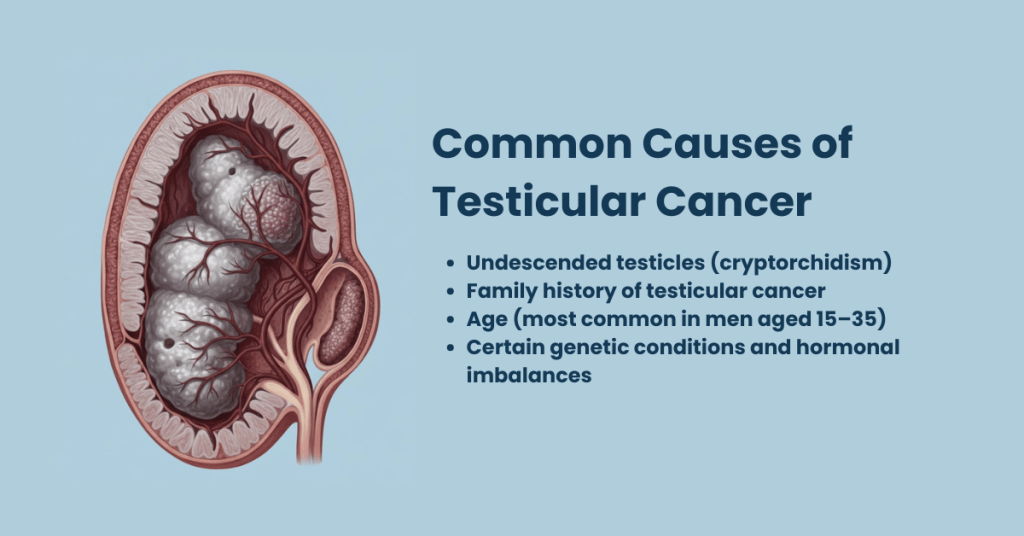
Knowing the testicular cancer causes can help you assess your risk. While the exact cause is not always clear, several factors may contribute:
- Undescended testicles (cryptorchidism)
- Family history of testicular cancer
- Age (most common in men aged 15–35)
- Certain genetic conditions and hormonal imbalances
Being aware of these risk factors can guide men toward proactive health checks and reduce the likelihood of late diagnosis.
How to Check Your Testicles Regularly?
Performing monthly self-examinations is a simple but effective way to monitor testicular health. Steps include:
- Visual Inspection – Look for swelling, lumps, or changes in size.
- Physical Examination – Gently roll each testicle between your fingers to feel for abnormalities.
- Seek Medical Advice – If you notice any signs, such as a lump or persistent discomfort, contact a healthcare professional immediately.
Regular checks increase the chance of detecting testicular cancer early and allow for timely testicular cancer treatment if necessary.
Understanding Symptoms and Causes in Depth
Testicular cancer symptoms can vary but commonly include:
- A lump or swelling in one testicle
- A heavy or aching sensation in the scrotum or lower abdomen
- Sudden collection of fluid in the scrotum
- Pain or discomfort in a testicle or scrotum
Meanwhile, testicular cancer causes often involve genetic or developmental factors, though lifestyle and environmental influences may also play a role. Understanding both causes and symptoms empowers men to take control of their health and seek appropriate care.
Treatment and Prevention
Early detection of testicular cancer significantly improves outcomes. Depending on the stage, treatment options may include:
- Surgery (orchiectomy) to remove affected tissue
- Radiation therapy
- Chemotherapy
Preventive measures include monthly self-checks, being aware of testicular cancer symptoms, and addressing any unusual changes immediately. Awareness of testicular cancer causes can also help men make informed health decisions.
Conclusion
Regular monitoring is vital for testicular health, and awareness of testicular cancer can save lives. By understanding testicular cancer symptoms, recognizing testicular cancer causes, and performing monthly self-examinations, men can take proactive steps to maintain their reproductive health. Don’t wait early detection and treatment make all the difference.